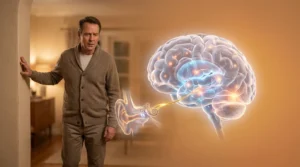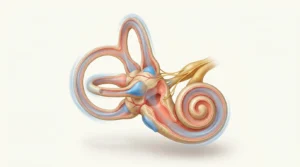
Bilateral vestibular insufficiency (BVI) is a balance disorder due to loss of function of the vestibular system in both ears.
Bilateral Vestibular Hypofunction Bvh Konusunda Bilmeniz Gerekenler
Bilateral Vestibular Hypofunction Bvh konusu, vertigo ve denge bozuklukları alanında dikkatle ele alınması gereken bir başlıktır. Bu rehberde bilateral vestibular hypofunction bvh ile ilgili güncel klinik bilgi, tanı yaklaşımı ve tedavi seçenekleri Prof. Dr. Mustafa Deniz Yılmaz tarafından sunulmaktadır. Bilateral Vestibular Hypofunction Bvh konusunda merak ettiğiniz tüm detayları, klinik bulguları ve uzman önerilerini aşağıdaki bölümlerde bulabilirsiniz.
Vertigonuzun gerçek sebebini öğrenin!
Baş dönmesi ve dengenizle ilgili sorunların kaynağını anlamak, doğru tedaviye giden ilk adımdır. Uzman ekibimizle bireyselleştirilmiş bir değerlendirme için randevunuzu alın ve sağlığınıza yeniden kavuşun.
What is Bilateral Vestibular Hypofunction (BVH)?
BVH is a balance disorder caused by loss of function in the vestibular systems of both ears. This condition leads to symptoms such as imbalance, a sensation of swaying, and dizziness. Unlike typical vertigo, BVH often manifests as a persistent sense of imbalance rather than episodic spinning sensations.
What Are the Symptoms of BVH?
- Imbalance: Worsens while walking, particularly in the dark or on uneven surfaces.
- Visual disturbances: Blurry vision or inability to stabilize images during movement (oscillopsia).
- Dizziness: May be severe during the acute phase but is less common in chronic stages.
- Sensation of swaying or falling while in motion.
- Fatigue: Due to the constant effort to maintain balance.
What Causes BVH?
- Ototoxic medications: Particularly aminoglycoside antibiotics (e.g., gentamicin).
- Infections: Inner ear infections or meningitis.
- Trauma: Damage to the vestibular nerve or labyrinth due to head injury.
- Autoimmune diseases: Conditions affecting the inner ear.
- Aging: Loss of vestibular cells with age.
- Idiopathic causes: In some cases, no specific cause is identified.
How Is BVH Diagnosed?
- Detailed medical history: Evaluating the onset, severity, and progression of symptoms.
- Vestibular testing:
- Caloric test
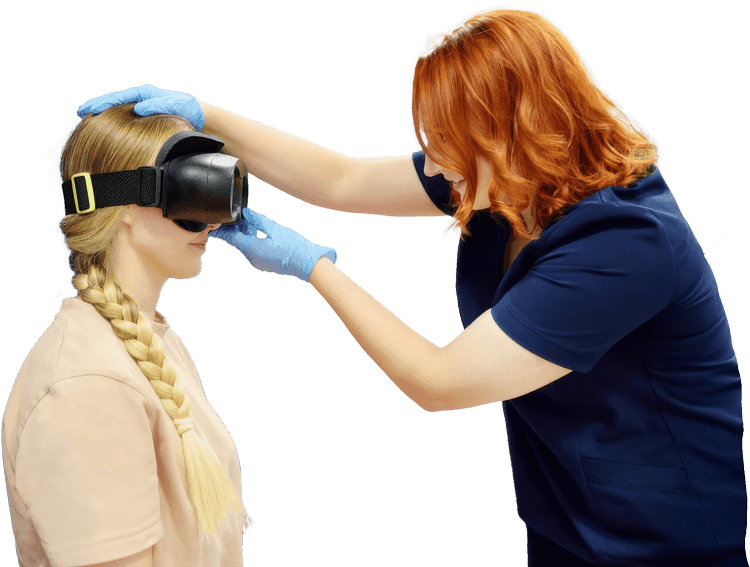
- Video head impulse test (vHIT)
- Posturography
- Rotational chair test
- Hearing and vision assessments: To evaluate whether other systems are affected.
- Imaging studies: MRI or CT scans to rule out other potential causes.

How Is BVH Treated?
BVH treatment focuses on addressing the underlying cause and managing symptoms:
- Vestibular rehabilitation therapy: Exercises to help the brain compensate for vestibular loss.
- Enhancing visual and somatosensory support: Using aids like walking sticks or assistive devices.
- Lifestyle changes to improve balance: Regular physical activity and safe environments for exercise.
- Discontinuation or substitution of ototoxic medications: If BVH is caused by such drugs.
- Visual aids: Specialized glasses to reduce oscillopsia.
Can BVH Be Completely Cured?
Whether BVH is reversible depends on the underlying cause. In cases such as ototoxic damage, vestibular loss may be permanent. However, symptoms can be significantly reduced with vestibular rehabilitation. BVH caused by other factors may be reversible with early diagnosis and treatment.
How Does BVH Affect Quality of Life?
BVH can lead to:
- Imbalance during movement
- Difficulty performing daily activities
- Social isolation
- Depression
However, appropriate treatment and rehabilitation can greatly improve quality of life.
Who Is at Higher Risk for BVH?
- People using ototoxic medications
- Elderly individuals
- Those with neurological or autoimmune diseases
- Individuals with a history of chronic ear infections
How Can I Manage BVH?
- Perform balance exercises regularly to strengthen the brain’s compensatory mechanisms.
- Consider using supportive devices (e.g., walking stick).
- Ensure good lighting while walking at night.
- Improve balance through physical activity.
- Seek psychological support if needed, as BVH can lead to depression and anxiety.
Which Specialists Can Help Treat BVH?
BVH treatment may involve a multidisciplinary approach, including:
- ENT specialists: For balance testing and identifying the underlying cause.
- Physical therapists: To develop vestibular rehabilitation programs.
- Neurologists: For treatment if there is a neurological cause.
- Psychologists or psychiatrists: To manage anxiety and depression.
BVH is a complex condition, but with proper diagnosis and treatment, symptoms can be managed, and quality of life improved. If you experience symptoms, consulting an ENT specialist is crucial.











Fill out the form and
we will call you
Vertigonuzun gerçek sebebini öğrenin!
Baş dönmesi ve dengenizle ilgili sorunların kaynağını anlamak, doğru tedaviye giden ilk adımdır. Uzman ekibimizle bireyselleştirilmiş bir değerlendirme için randevunuzu alın ve sağlığınıza yeniden kavuşun.