✓ Prof. Dr. Mustafa Deniz Yılmaz tarafından yazıldı · Yayın: · Son güncelleme:
What is Orthostatic Hypotension?
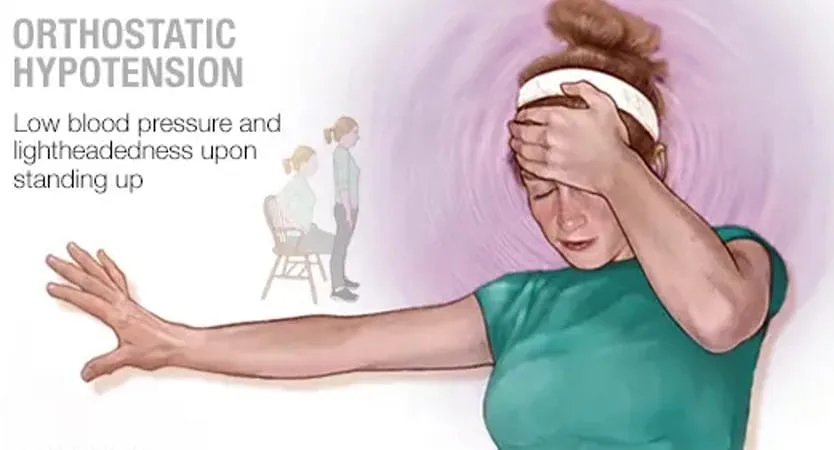
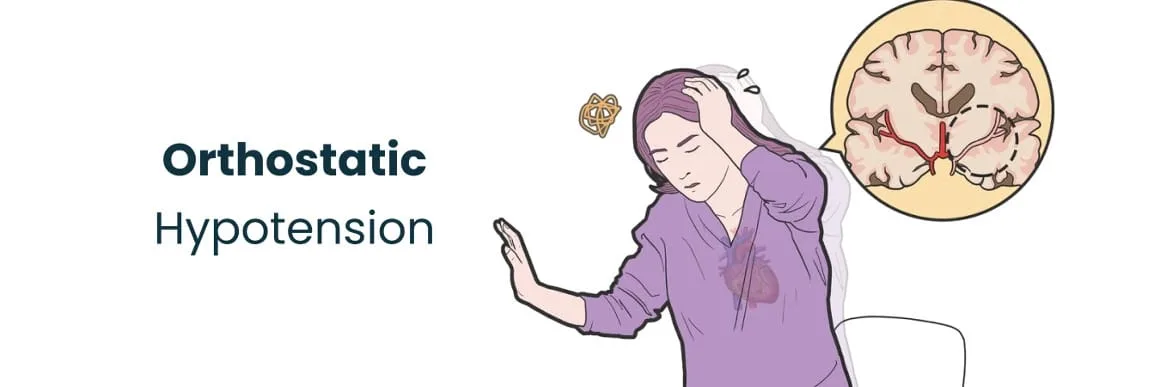
Orthostatic hypotension occurs when your blood pressure suddenly drops as you stand up, resulting in insufficient blood flow to the brain. This can cause dizziness, weakness, and sometimes fainting.
Symptoms of Orthostatic Hypotension
- Dizziness when standing up
- Blurred vision
- Weakness and lightheadedness
- Nausea
- Fainting (in severe cases)
- Chest pain or palpitations (rare)
Causes of Orthostatic Hypotension
- Dehydration: Insufficient fluid intake or excessive fluid loss.
- Prolonged bed rest: Loss of adaptation in the circulatory system.
- Medications: Blood pressure medications, diuretics, antidepressants.
- Neurological conditions: Parkinson’s disease, diabetic neuropathy.
- Reduced blood volume: Blood loss or anemia.
- Aging: Age-related weakening of mechanisms that regulate blood pressure.

How is Orthostatic Hypotension Diagnosed?
- Blood pressure measurement: Blood pressure is measured in lying, sitting, and standing positions. A decrease of 20 mmHg in systolic or 10 mmHg in diastolic pressure upon standing confirms the diagnosis.
- Blood tests: To evaluate dehydration, anemia, or hormonal causes.
- Electrocardiogram (ECG): To assess heart rhythm.
Treatment of Orthostatic Hypotension
Treatment depends on the underlying cause and the severity of symptoms:
- Increasing fluid intake: Drinking plenty of water to prevent dehydration.
- Increasing salt intake: Done under medical supervision.
- Medication adjustments: If the issue stems from a current medication, your doctor may modify or discontinue it.
- Medical treatment: Medications like fludrocortisone or midodrine may be prescribed.
- Lifestyle changes:
- Change positions slowly.
- Wear compression stockings.
Prevention of Orthostatic Hypotension
- Get up slowly from sitting or lying positions.
- Drink plenty of fluids.
- Avoid prolonged standing.
- Limit alcohol intake.
- Consume salty foods under medical supervision.
Is Orthostatic Hypotension a Permanent Condition?
Orthostatic hypotension often resolves when the underlying cause is treated. However, it may persist in cases related to neurological conditions.
Who is at Higher Risk of Orthostatic Hypotension?
- Elderly individuals
- People with chronic illnesses (e.g., Parkinson’s disease, diabetes)
- Those taking diuretics or blood pressure medications
- Individuals prone to dehydration
Is Orthostatic Hypotension Dangerous?
Orthostatic hypotension is generally benign but can lead to falls and injuries. Chronic cases may indicate a more serious underlying condition and should be evaluated.
How to Manage Dizziness Associated with Orthostatic Hypotension
- Sit and wait a few seconds before standing up.
- Avoid sudden movements.
- Drink plenty of fluids.
- Monitor your blood pressure regularly and consult a doctor if symptoms persist.
Orthostatic hypotension can usually be managed with lifestyle changes and treatment of the underlying causes.