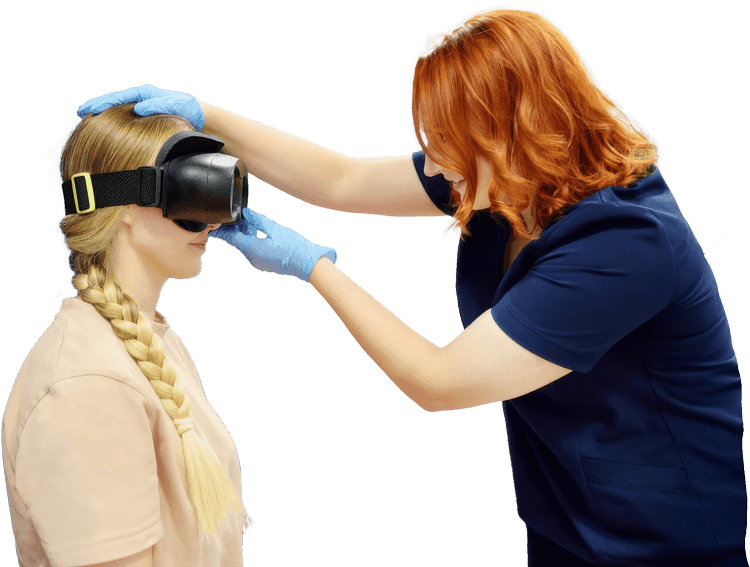
What is Phobic Postural Vertigo (PPV)?
Phobic postural vertigo (PPV) is a type of dizziness (vertigo) and imbalance often triggered by psychological factors. It occurs without an organic cause and can significantly impact a person’s quality of life. PPV involves feelings of dizziness, imbalance, or fear of falling in specific situations or environments (e.g., open spaces, narrow corridors, crowded places). Typically, there is no organic dysfunction in the balance system, but psychological triggers play a significant role.
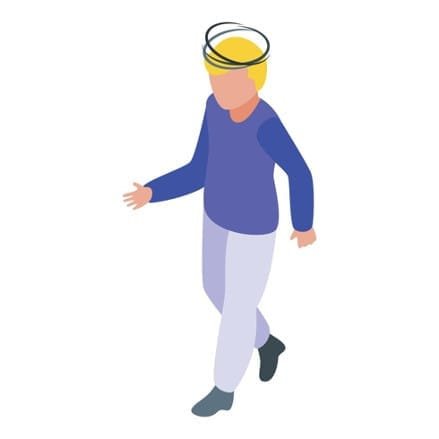
What Are the Symptoms of PPV?
- Sensation of imbalance or swaying
- Dizziness worsening in open spaces, at heights, or in crowded environments
- Fear of falling
- Avoidance of sudden movements or specific postures
- Anxiety and panic attack symptoms
- Symptoms varying in intensity throughout the day
What Causes PPV?
- Psychological factors: Associated with conditions like anxiety, depression, or obsessive-compulsive disorder.
- Past traumas: Previous falls, vertigo attacks, or traumatic events.
- After balance disorders: Fear developed following an episode of vertigo (e.g., BPPV or vestibular neuritis).
- Performance anxiety: Fear of embarrassment in social situations due to dizziness or falling.
How Is PPV Diagnosed?
- Detailed medical history: Understanding when and where the symptoms occur.
- Physical examination: Evaluating for any organic causes (e.g., inner ear problems).
- Psychological assessment: Screening for anxiety or other psychological disorders.
- Laboratory or imaging tests: Conducted to rule out other potential causes.
How Is PPV Treated?
Psychotherapy:
- Cognitive-behavioral therapy (CBT): Effective for managing anxiety and fear of falling.
- Exposure therapy: Gradual exposure to feared situations to reduce sensitivity.
Medication:
- Anxiolytics or antidepressants may alleviate symptoms.
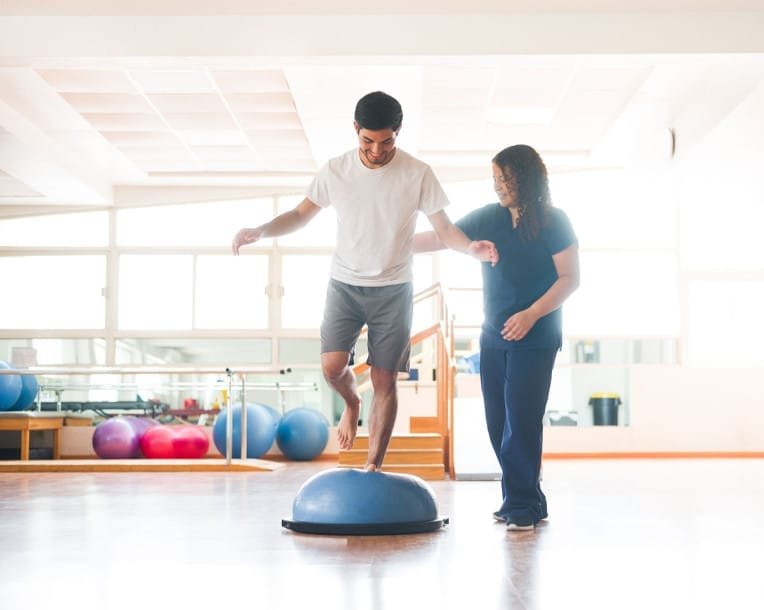
Vestibular rehabilitation:
- Exercises designed to improve balance.
Relaxation techniques:
- Meditation, yoga, or breathing exercises to help manage stress.
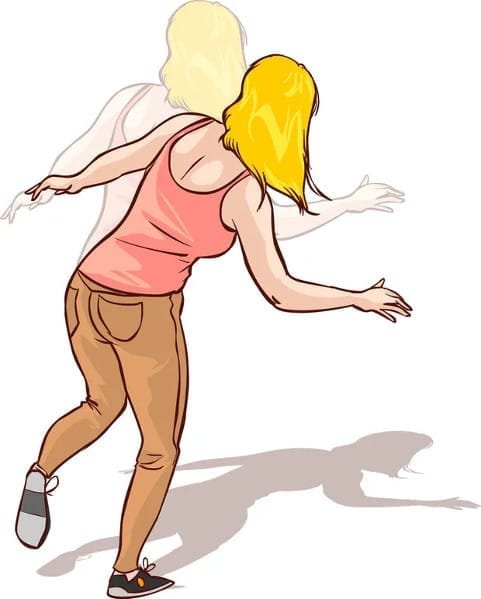
Is PPV a Permanent Condition?
If untreated, PPV can persist for a long time. However, with appropriate treatment and support, symptoms can be significantly managed and controlled.
How Can I Cope with PPV?
- Instead of avoiding anxiety-inducing situations entirely, face them gradually in small steps.
- Engage in regular physical exercises to improve your sense of balance.
- Learn and practice relaxation techniques.
- Seek help from a psychologist or psychiatrist.
What Other Conditions Can Be Confused with PPV?
- BPPV (Benign Paroxysmal Positional Vertigo)
- Vestibular migraine
- Meniere’s disease
- Orthostatic hypotension
- Panic disorder
PPV differs from other types of vertigo because it arises without an organic cause and is typically triggered by psychological factors.
What Are the Triggers for PPV?
- Crowded places
- Open spaces
- Shopping malls
- Heights
- Reminders of traumatic events
How Does PPV Affect Life?
PPV can negatively impact daily life, work, and social relationships. However, these effects can be alleviated with proper treatment.