VNG tests are more detailed assessments based on recording eye movements generated by visual stimuli and analyzing the functional aspects of the vestibulo-ocular reflex (VOR) pathways.
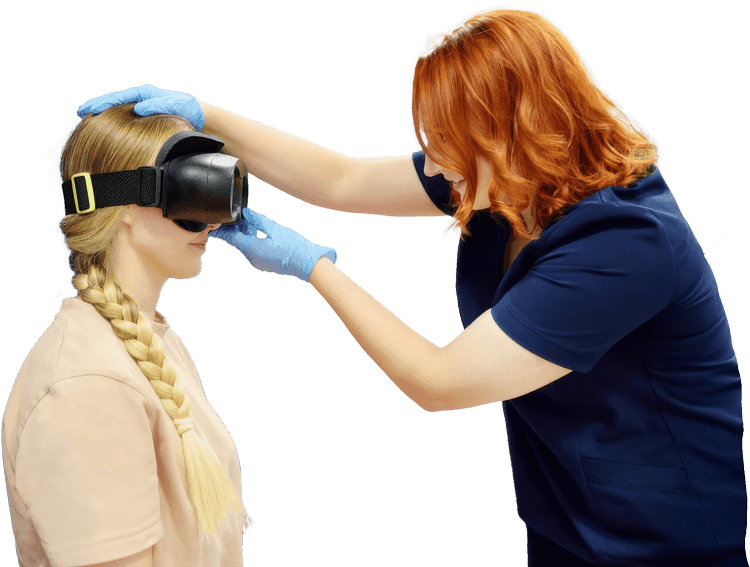
VNG tests involve a specialized device in which a pair of goggles equipped with cameras connected to a computer system are placed on the patient. This setup measures eye and head movements to evaluate the functions of the balance organs, brain, and cerebellum.
These tests are particularly important in identifying the side and location of lesions in patients presenting with dizziness (vertigo), imbalance (dizziness), lightheadedness (unsteadiness), or ataxia.
Subtests of VNG:
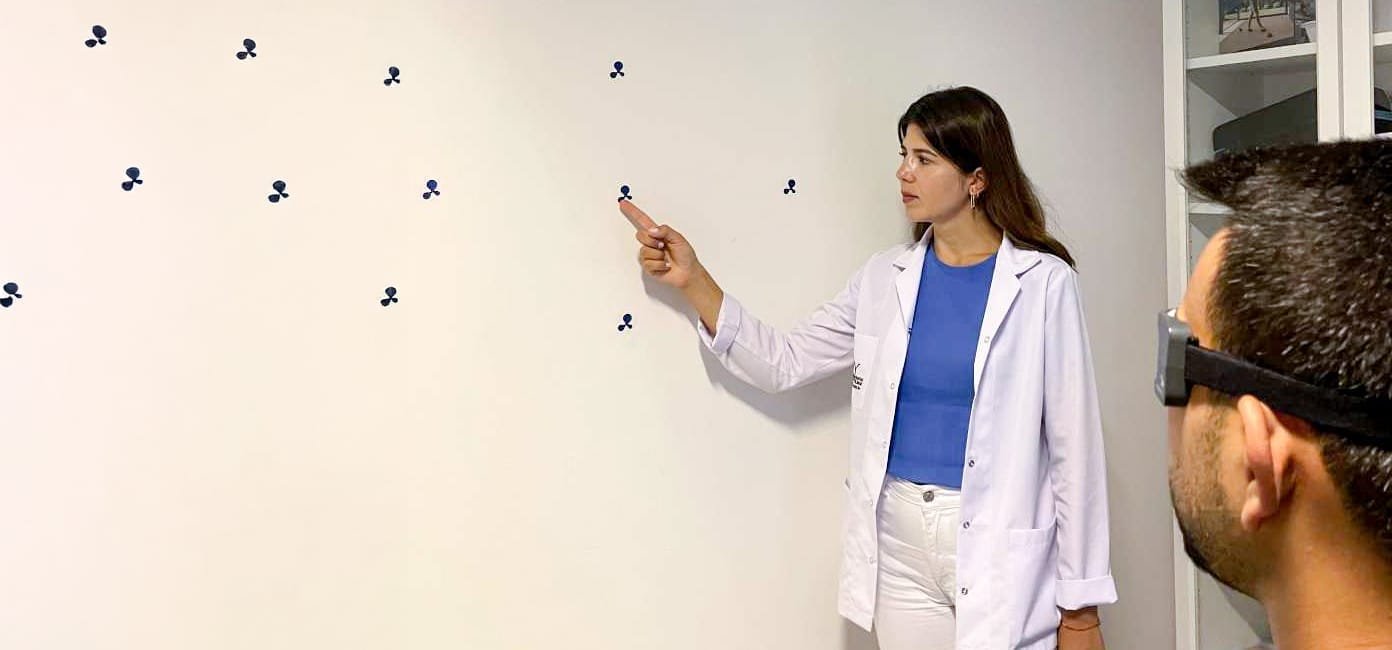
- Gaze Tests: Performed to determine the presence of eye movements (nystagmus) during visual stimuli.
- Skew Deviation Test: Provides critical information about otolith-ocular pathways.
- Head Shaking Test: Conducted by closing the goggles attached to the patient’s eyes. The audiologist moves the patient’s head side-to-side at the same speed. The clinician then stops the head movement and asks the patient to keep their eyes open. Eye movements (nystagmus) observed in this test help diagnose peripheral vestibular dysfunction.
- Spontaneous Nystagmus Test: One of the significant indicators of vestibular dysfunction. In this test, the goggles are closed, and eye movements that occur spontaneously in darkness without visual stimuli are recorded. This aids in diagnosing peripheral vestibular dysfunction.
- Saccade Test: Used to assess the central nervous system’s ability to adapt to rapid eye movements.
- VVOR and VORS Tests: Designed to simultaneously test the coexistence of vestibular and cerebellar pathologies. These tests diagnose vestibulo-cerebellar disorders by observing the presence or absence of saccadic eye movements.
Purpose of VNG Tests
VNG tests are particularly useful in determining whether the condition originates from the inner ear or the central nervous system (cerebellum).