
Intratympanic Gentamicin and Cortisone Injections are therapeutic options used to control vertigo, particularly in cases of Meniere’s disease that do not respond to other treatments. Gentamicin and cortisone are directly injected into the inner ear (tympanic cavity) and work through different mechanisms to alleviate vertigo symptoms. Their principles of action and side effects differ. Here are the details:
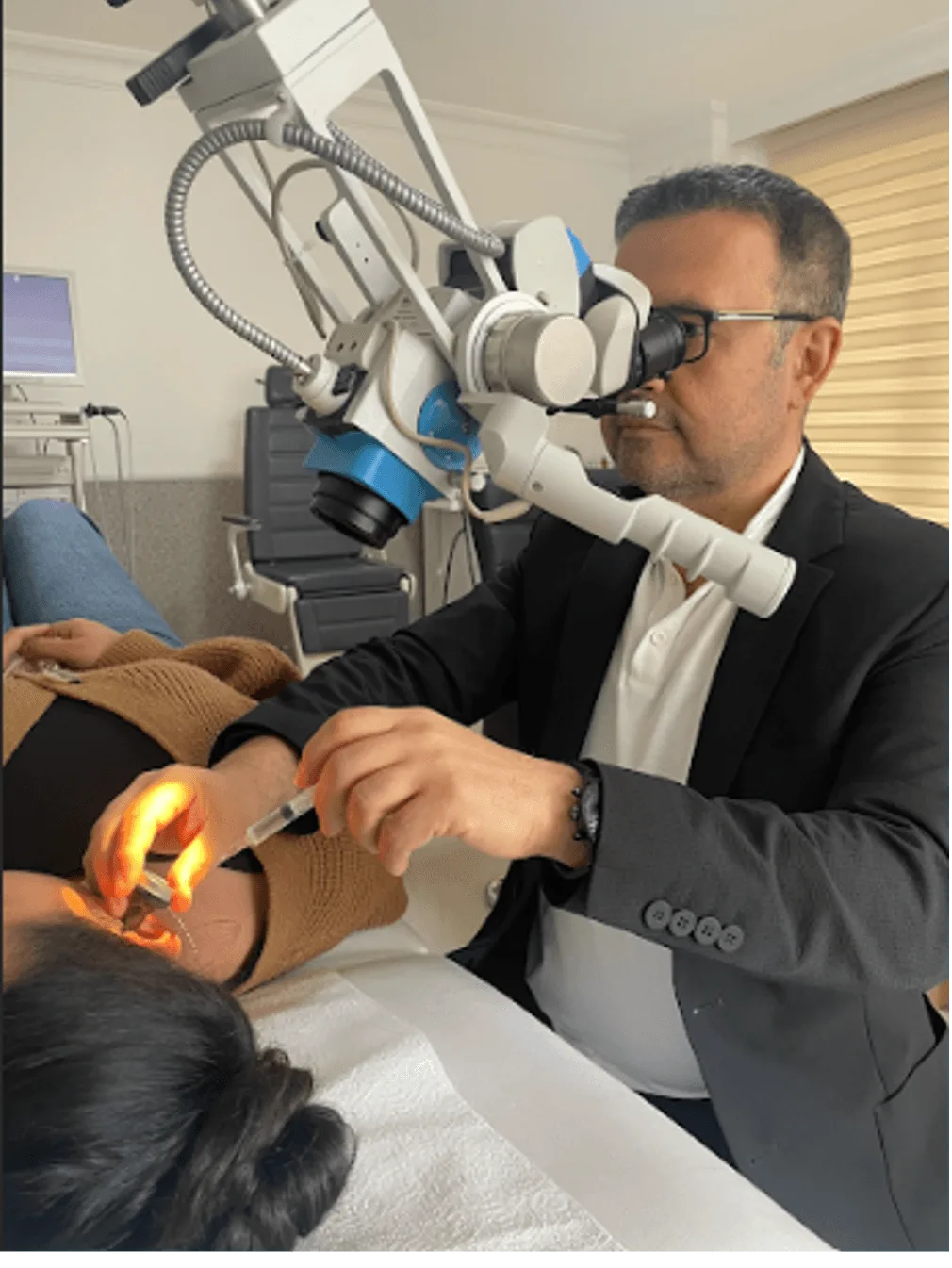
1. Intratympanic Gentamicin Injection
- Application Area: Preferred in cases of Meniere’s disease where other treatments are ineffective and vertigo significantly reduces the patient’s quality of life.
- How It Works:Gentamicin exerts a toxic effect on the cells of the vestibular system in the inner ear, selectively destroying vestibular (balance) cells.
- By killing vestibular cells, it limits the signals sent by the balance system. When the brain stops receiving conflicting signals that cause vertigo, it relies on information from other systems, such as the other ear and vision, to maintain balance.
- Hearing cells are preserved as much as possible, but there is a risk of hearing loss due to gentamicin’s toxicity.
- Advantages: Can significantly reduce or completely stop recurrent vertigo attacks caused by Meniere’s disease.
- Side Effects:
- Hearing Loss: Gentamicin can destroy cells in the inner ear, leading to hearing loss. To mitigate this risk, dosage is carefully adjusted.
- Loss of Balance: The destruction of vestibular cells may cause temporary balance issues. Over time, the brain learns to compensate by using signals from other sensory inputs.
- Treatment Process: Gentamicin injections are typically administered over a few weeks. Dosage and frequency are adjusted based on the patient’s symptoms and response to treatment.
2. Intratympanic Cortisone (Steroid) Injection
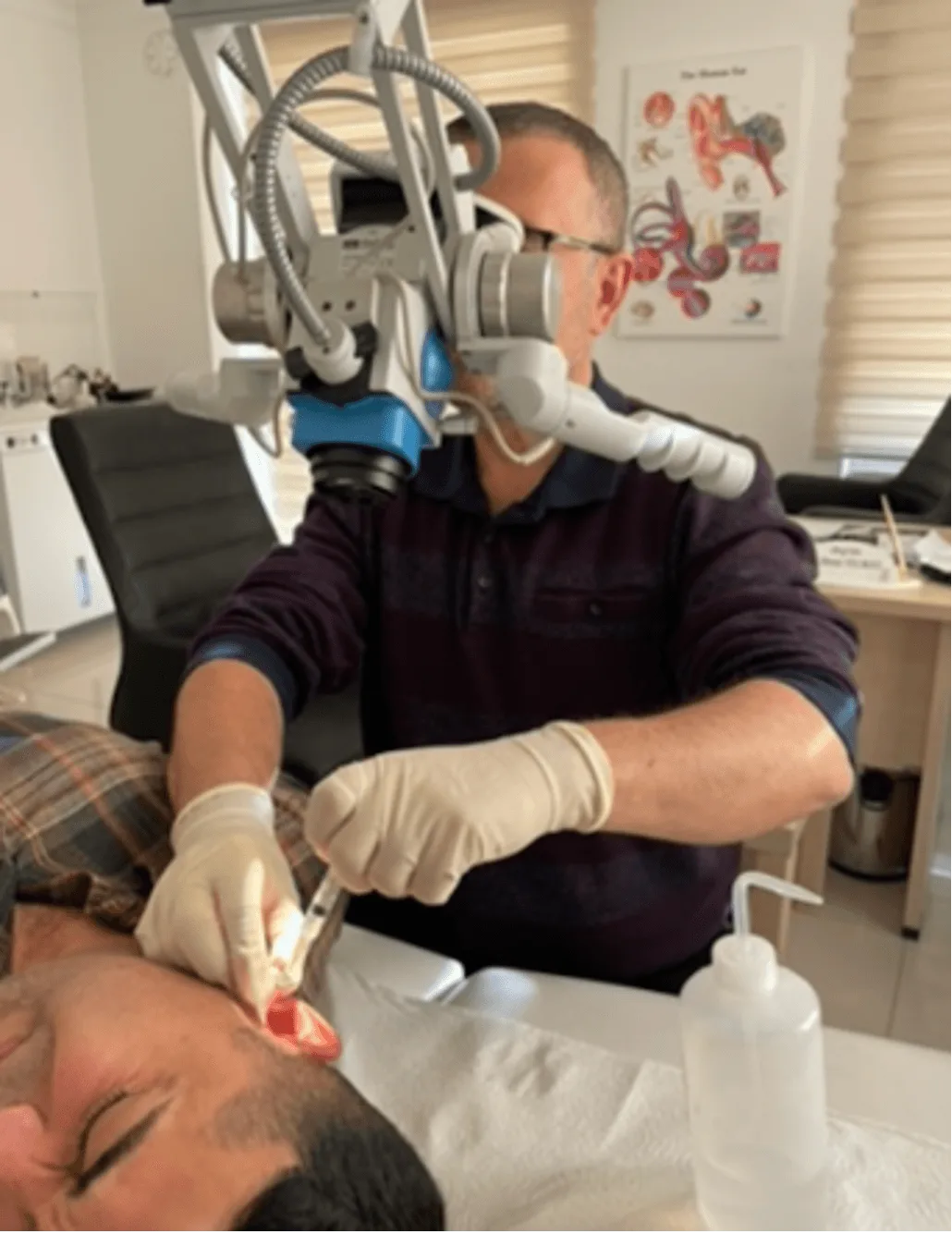
- Application Area: Cortisone is less toxic to vestibular cells than gentamicin and carries a much lower risk of hearing loss. Therefore, cortisone injections are an alternative for patients at high risk of hearing loss or those hesitant about gentamicin treatment.
- How It Works: Cortisone exerts an anti-inflammatory effect in the inner ear and reduces fluid pressure, alleviating vertigo symptoms caused by Meniere’s disease.
- It regulates the functions of the vestibular system by suppressing inflammation in the inner ear and reduces dizziness.
- It is also believed to balance pressure by reducing fluid buildup in the inner ear.
- Advantages: Lower risk of hearing loss compared to gentamicin injections. Can provide long-term improvement in vertigo symptoms.
- Side Effects: Side effects are usually mild and temporary. Rarely, temporary dizziness or discomfort in the ear may occur following the injection.
- Treatment Process: Cortisone injections are typically administered once or twice a week over several weeks. The duration and frequency of treatment are tailored to the patient’s symptoms.
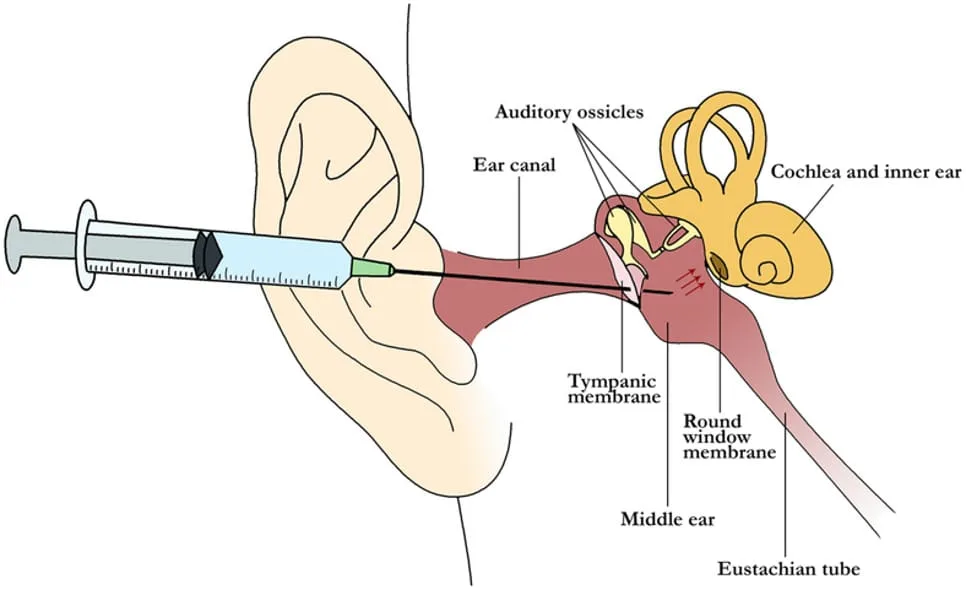
3. Combination of Gentamicin and Cortisone
- Combination Usage: In some cases, gentamicin and cortisone injections may be used together. This combination leverages gentamicin’s cell-destructive effect to reduce vertigo while utilizing cortisone’s anti-inflammatory action to mitigate inflammation in the inner ear.
- Advantages and Disadvantages:
- Combining gentamicin and cortisone may more effectively control vertigo. However, the risk of hearing loss necessitates close monitoring of combination therapy.
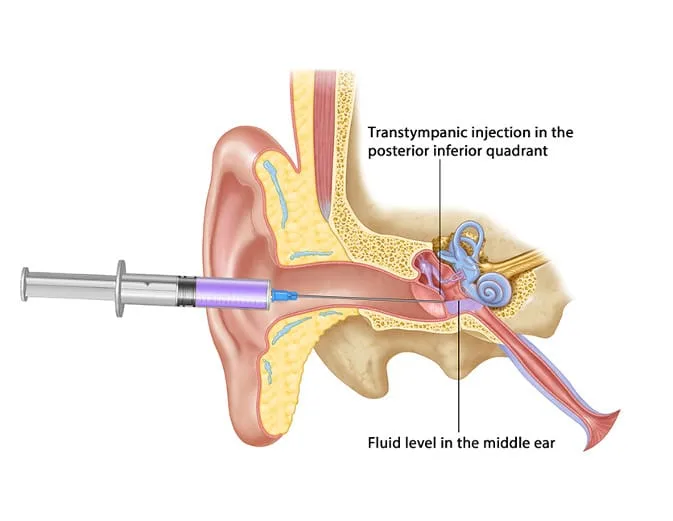
4. Post-Treatment Process and Follow-Up
- Vestibular Rehabilitation: Some patients may experience balance issues following gentamicin injections. Vestibular rehabilitation therapy can help the brain relearn balance using other sensory signals until compensation is achieved.
- Regular Monitoring: Hearing and balance functions should be regularly monitored after injections. Early detection of hearing loss symptoms enables timely intervention.
This treatment approach is an effective option for controlling vertigo in persistent and chronic cases of Meniere’s disease. However, due to potential side effects, careful evaluation and close monitoring during the treatment process are essential.