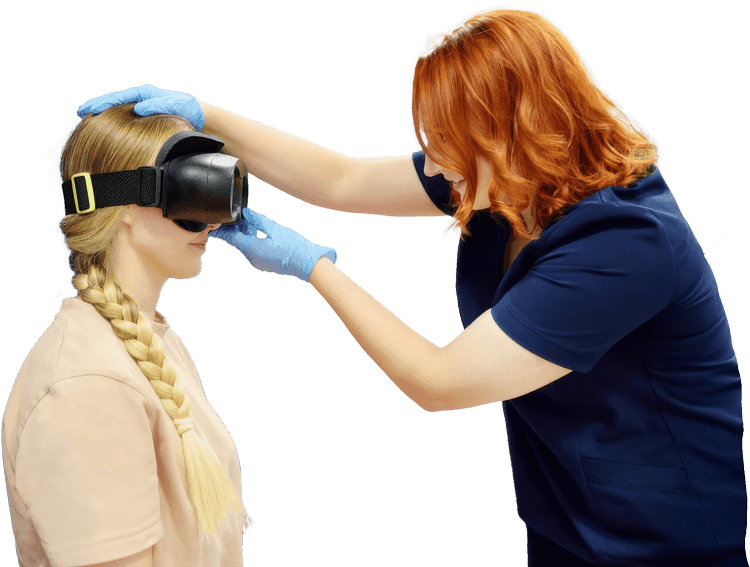
What are Central Vestibular Disorders?
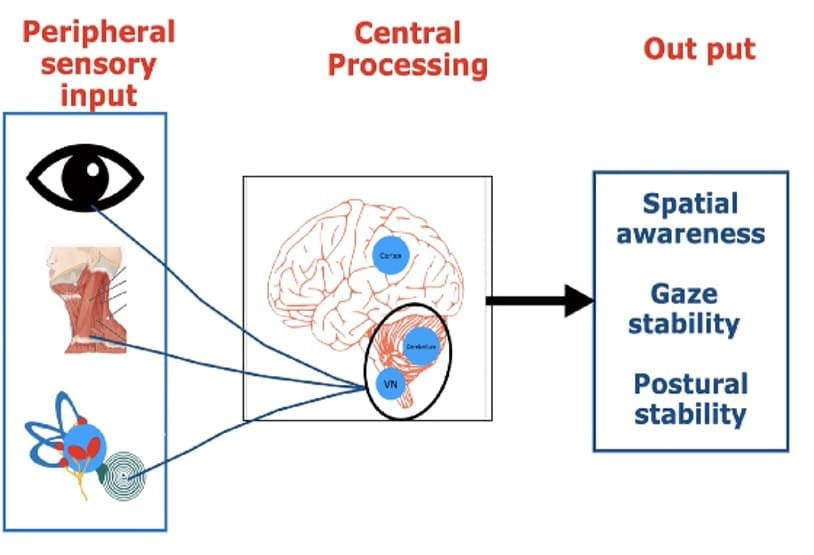
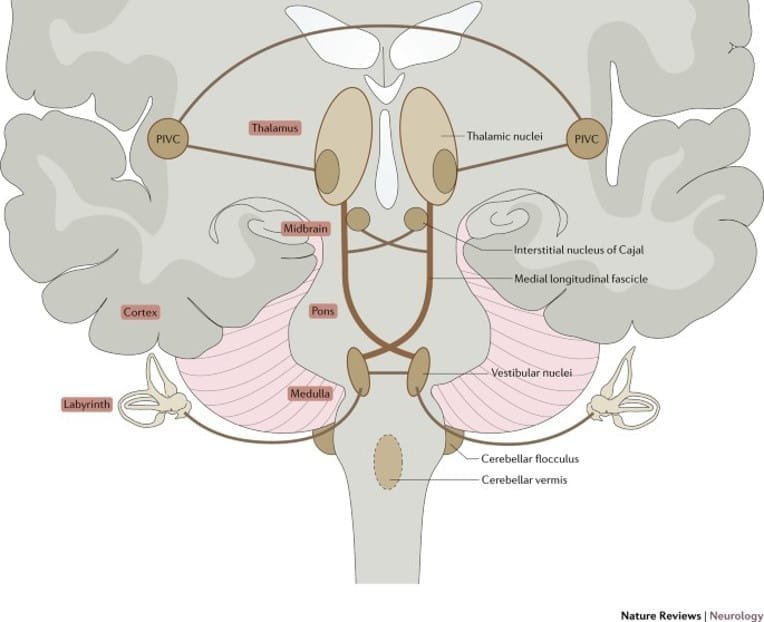
Central vestibular disorders are caused by abnormalities in brain structures involved in balance, such as the brainstem, cerebellum, and vestibular cortex. These conditions manifest as dizziness, imbalance, and other neurological symptoms.
Symptoms of Central Vestibular Disorders
- Persistent or recurrent vertigo (dizziness)
- Imbalance and swaying while walking
- Blurred or double vision
- Speech difficulties (dysarthria)
- Weakness or loss of sensation in arms and legs
- Coordination problems
- Tinnitus (ringing in the ear) or hearing loss (rarely)
- Headaches, particularly in migraine-related cases
Causes of Central Vestibular Disorders
- Stroke: Blockages or bleeding in the brainstem or cerebellum.
- Multiple Sclerosis (MS): Loss of myelin in the nervous system.
- Tumors: Growths in the brainstem or cerebellum.
- Migraine: Known as vestibular migraine.
- Infections: Encephalitis or other infections affecting the brainstem or central nervous system.
- Trauma: Vestibular issues following a concussion or head injury.
- Degenerative Diseases: Conditions like Parkinson’s disease.
- Toxins: Harmful effects of alcohol, medications, or chemicals on the nervous system.
Diagnosis of Central Vestibular Disorders
- Clinical Examination: Assessment of balance, coordination, and eye movements.
- Magnetic Resonance Imaging (MRI): To identify structural issues in the brain and nervous system.
- Computed Tomography (CT): For rapid evaluation of sudden neurological problems.
- Vestibular Tests: To measure eye movements (nystagmus) and balance functions.
- Blood Tests: To evaluate infections or autoimmune causes.
Treatment of Central Vestibular Disorders
Treatment depends on the underlying cause:
- Stroke: Blood thinners, clot-dissolving medications, and rehabilitation.
- Multiple Sclerosis: Immunomodulatory drugs and corticosteroids.
- Migraine: Antimigraine medications and lifestyle modifications.
- Infections: Antibiotics or antiviral drugs.
- Vestibular Rehabilitation: Exercises to improve balance and coordination.
- Surgery: For tumors or severe structural issues.
Differences Between Central and Peripheral Vestibular Disorders
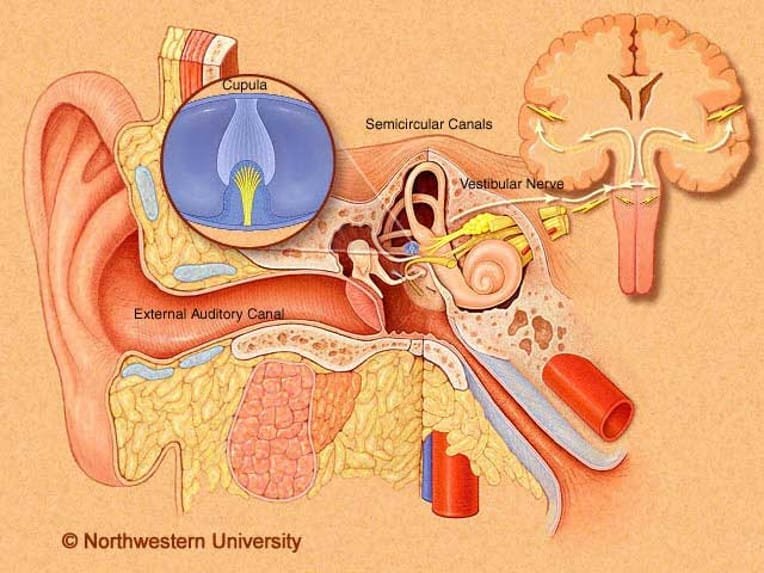
- Central Vestibular Disorders: Originate from the brain or central nervous system and typically involve more complex and widespread neurological symptoms.
- Peripheral Vestibular Disorders: Stem from the inner ear or vestibular nerve and usually present with vertigo and imbalance alone.
Complications of Central Vestibular Disorders
- Long-term balance and coordination problems
- Risk of falls and injuries
- Limitations in social and professional life
- Psychological effects like depression and anxiety
Can Central Vestibular Disorders Recur?
Yes, if the underlying cause (e.g., migraine, MS) is chronic or recurrent, symptoms may reappear. Regular follow-up and treatment can help prevent relapses.
Prevention of Central Vestibular Disorders
- Reduce stroke risk: Control blood pressure, maintain a healthy diet, and exercise regularly.
- Prevent migraines: Avoid triggers and ensure proper sleep.
- Protect against infections: Strengthen immunity and get vaccinated.
- Avoid alcohol and toxins.
Coping with Central Vestibular Disorders
- Participate in Rehabilitation Programs: Physical and vestibular rehabilitation can improve balance.
- Manage Stress: Relaxation techniques like meditation may alleviate symptoms.
- Follow Medical Advice: Regular check-ups are crucial, especially for chronic conditions.
Can Treatment Completely Cure Central Vestibular Disorders?
This depends on the underlying cause. Full recovery is possible in some cases (e.g., infections), but for chronic conditions (e.g., MS), treatment focuses on managing symptoms and improving quality of life.
Central vestibular disorders are complex conditions requiring a multidisciplinary approach. If you experience these symptoms, consulting an ENT specialist or neurologist is essential. Early diagnosis and appropriate treatment can help control symptoms effectively.