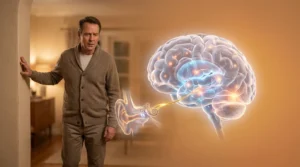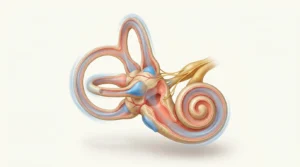
In 1986, German neurologists identified a condition that could not be explained by other neuro-otological diseases. This condition was characterized by episodes of imbalance and walking difficulties rather than spinning vertigo. They named it postural phobic vertigo.

What Is Postural Phobic Vertigo Üzerine Detaylı Rehber
What Is Postural Phobic Vertigo konusu, vertigo ve denge bozuklukları alanında dikkatle ele alınması gereken bir başlıktır. Bu rehberde what is postural phobic vertigo ile ilgili güncel klinik bilgi, tanı yaklaşımı ve tedavi seçenekleri Prof. Dr. Mustafa Deniz Yılmaz tarafından sunulmaktadır. What Is Postural Phobic Vertigo konusunda merak ettiğiniz tüm detayları, klinik bulguları ve uzman önerilerini aşağıdaki bölümlerde bulabilirsiniz.
Symptoms of Postural Phobic Vertigo
- These patients often feel imbalanced, even though their balance tests appear completely normal.
- Dizziness is typically not experienced as spinning but as a sensation of lightheadedness and instability.
- Symptoms are triggered in crowded or enclosed spaces (e.g., shopping malls, cinemas) or during situations such as motion sickness, climbing stairs, or similar activities.
- The condition is more common in individuals with obsessive-compulsive and perfectionist personality traits.
- Neurological examinations, imaging (MRI), and laboratory tests (VNG, VHIT, VEMP) are usually completely normal.
- The onset of this condition is more frequent in individuals with a history of dizziness (e.g., BPPV, vestibular neuritis, vestibular migraine). Prolonged emotional stress can also contribute to the development of this disorder.
- As symptoms worsen, patients often start restricting themselves, avoiding daily activities, and withdrawing from their social environments over time.
Treatment for Postural Phobic Vertigo
Vestibular rehabilitation (balance physical therapy) plays a key role in the treatment of postural phobic vertigo. Exercises are tailored to the movements that patients find challenging in their daily lives. In addition to this, other treatment approaches include awareness education, cognitive behavioral therapy, psychotherapy, and medication.